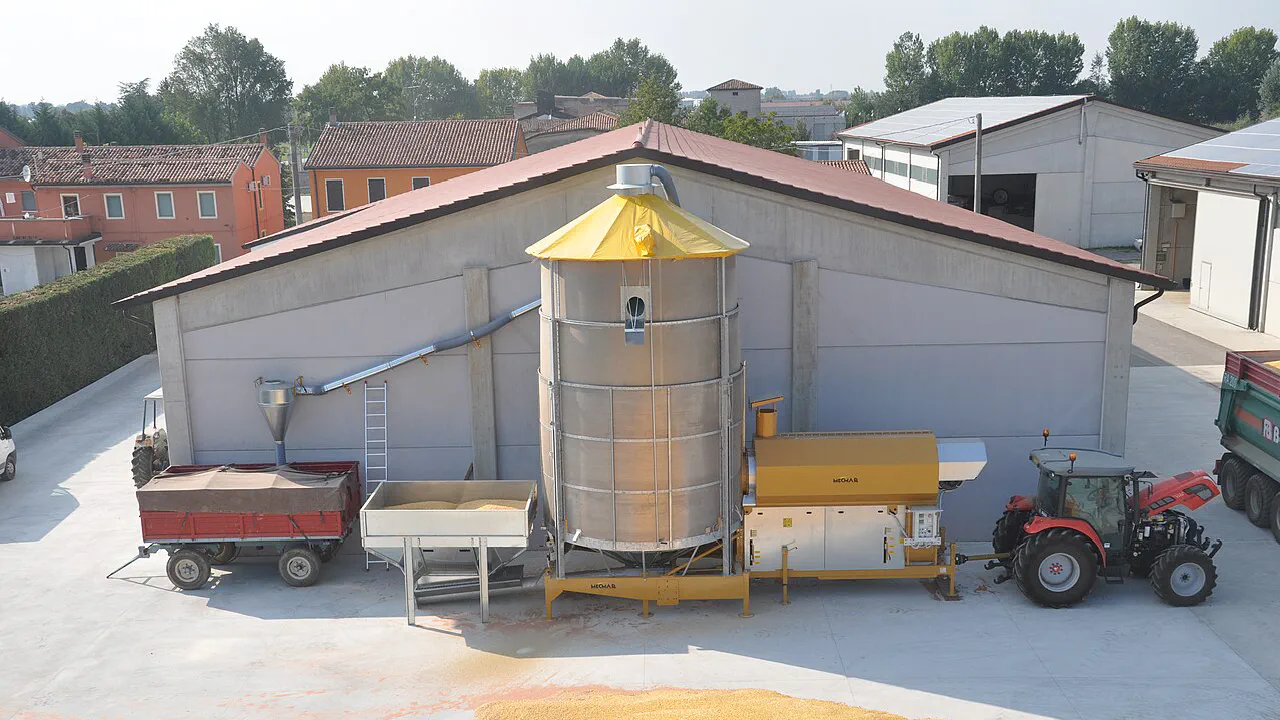
The dryer may have a clear equipment identity while the harvest has no fixed finishing date. That mismatch is worth resolving before arranging temporary diesel power. An enquiry based on a convenient hire period can become difficult to manage if the actual operating window moves.
The grain-drying account published by Genny Hire describes seasonal rental with operating durations varying between farms and crop conditions. It is an example of a provider addressing a changing duty, rather than evidence that one generator size fits agricultural drying.
Keep electrical power and drying heat separate
Ask the drying-equipment supplier to identify the electrical consumers in the proposed arrangement and the separate source of drying heat. Do not interpret a thermal rating as the electrical demand that a generator must supply. Equally, do not assume the entire drying process is covered because a quotation includes a generator.
The useful record identifies the actual fans, handling equipment, controls and other consumers within the package, where applicable. Give the electrical specialist their equipment data and the intended operating sequence. Identify any functions supplied elsewhere so they are neither counted twice nor omitted.
This boundary also matters when estimating seasonal costs. Keep generator fuel, the dryer heat source and other energy purchases identifiable. A figure for one supply cannot represent the whole process unless the stated scope genuinely includes the others.
Describe the possible working season
Ask the operator to describe both the expected schedule and a plausible extended working case. Record whether the generator is intended for regular production, temporary additional capacity or emergency cover. The prime and standby guide explains why those descriptions must reach the supplier before a rating is selected.
The generator specialist should evaluate the intended hours and load pattern for the offered model. Leave grain-moisture targets, drying temperatures and product-quality decisions to the responsible agricultural and drying specialists. The power enquiry needs the resulting operating demand, not an invented crop-processing recipe.
For a rental offer, ask what happens if the start date moves or the hire must be extended. Identify who confirms continuing availability and whether a replacement machine would require another compatibility review. A flexible commercial description should not conceal an undefined equipment substitution.
Make the service arrangements fit that season
A fuel plan should state who monitors consumption, requests replenishment and verifies delivery. Review the runtime enquiry using the agreed operating case instead of assuming a tank label guarantees the entire harvest window.
Ask how scheduled servicing is handled if drying continues longer than expected, and who coordinates any interruption with the farm operator. Include the contact arrangement for equipment problems and the scope of attendance actually offered.
At handover, keep the selected equipment, seasonal assumptions and support responsibilities together. When the schedule changes, that record gives the operator and supplier a common basis for deciding what needs another review. The generator is then purchased or hired for a defined agricultural task, rather than simply parked beside a dryer.
Sources & scope
- Genny Hire — Reliable Temporary Power Supports Grain Drying First-party account of seasonal grain-drying hire with differing operating durations and package needs; its equipment range is not a sizing rule.
General procurement guidance. Worked examples are illustrative; final selection requires the selected manufacturer's documentation and a project-specific engineering review.