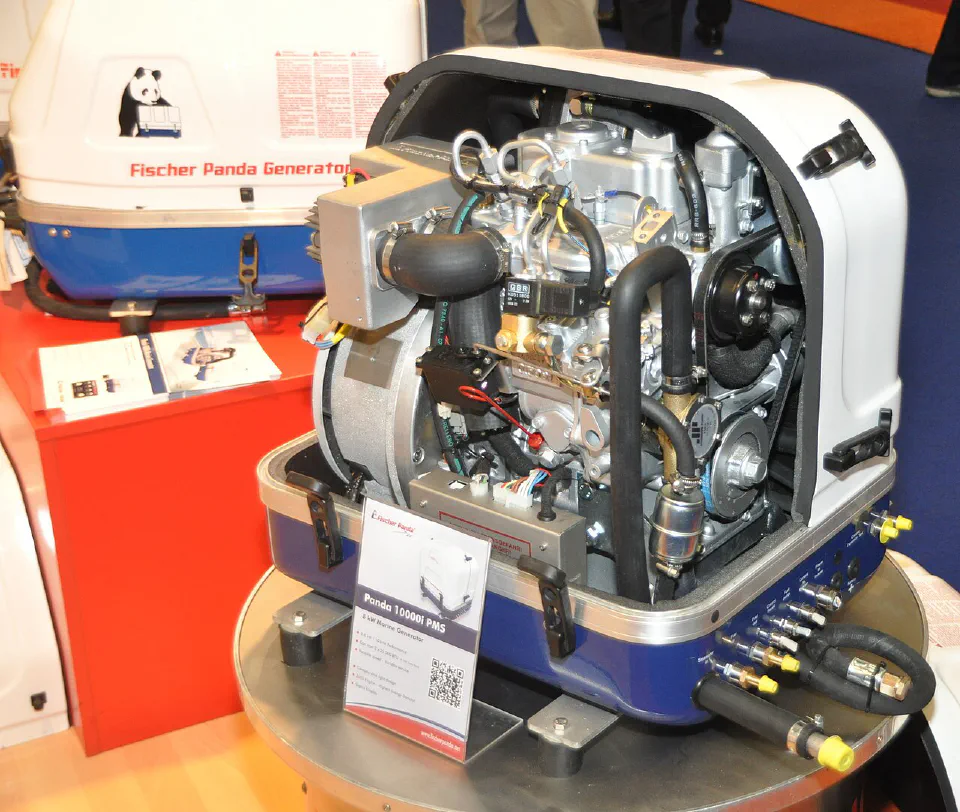
Inside the enclosure
A compact marine generator on display at METS 2011, Amsterdam. The opened enclosure exposes the engine and its connections.
Photo: S.J. de Waard · CC BY-SA 3.0Turn your load list into a clear requirement. Know what to ask, what to compare and what to send.
Build your enquiry Read the buying guide
Each decision leaves you with something useful.
Same duty. Same scope.
Comparable quotations.
List the essential loads, starting sequence and site conditions before choosing equipment.
See a completed exampleCheck the duty, conditions and included equipment side by side. Mark every exclusion and unanswered question.
Use the quotation comparisonPrepare a short project brief and a field-by-field worksheet. Keep unknowns visible for the supplier to answer.
Prepare your RFQA useful enquiry connects the electrical load, the operating duty and the installation. A headline power figure only tells part of the story.
Illustrative brief · not an equipment selection
A practical route from your power requirement to a quotation you can actually compare.
Understand what the two power figures mean before comparing generator specifications.
Why the duty rating matters as much as the headline kVA figure.
Map critical processes, load priorities and restart sequences before choosing equipment.
A practical way to organise inspections, records and maintenance responsibilities.
Gather the information suppliers need to quote the same requirement.
From the engine inside to the installation around it.
A compact marine generator on display at METS 2011, Amsterdam. The opened enclosure exposes the engine and its connections.
Photo: S.J. de Waard · CC BY-SA 3.0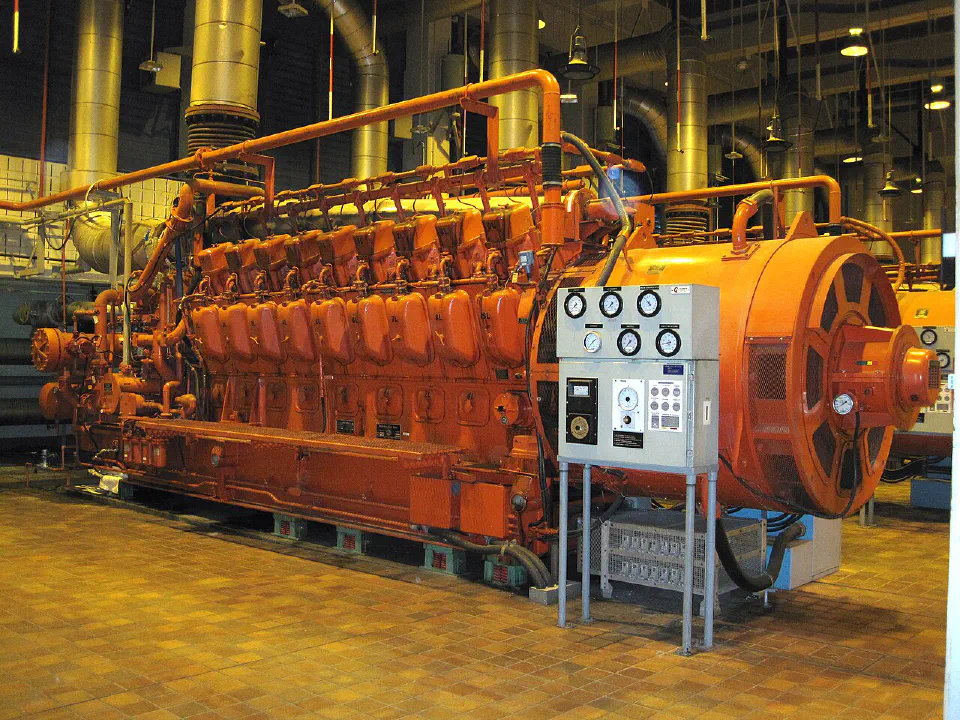
A diesel generator at Montreal's wastewater treatment plant. The engine, alternator and overhead exhaust runs show the scale of an indoor installation.
Photo: Jean-Daniel Drapeau-Mc Nicoll; colour edit by Soerfm · CC BY-SA 3.0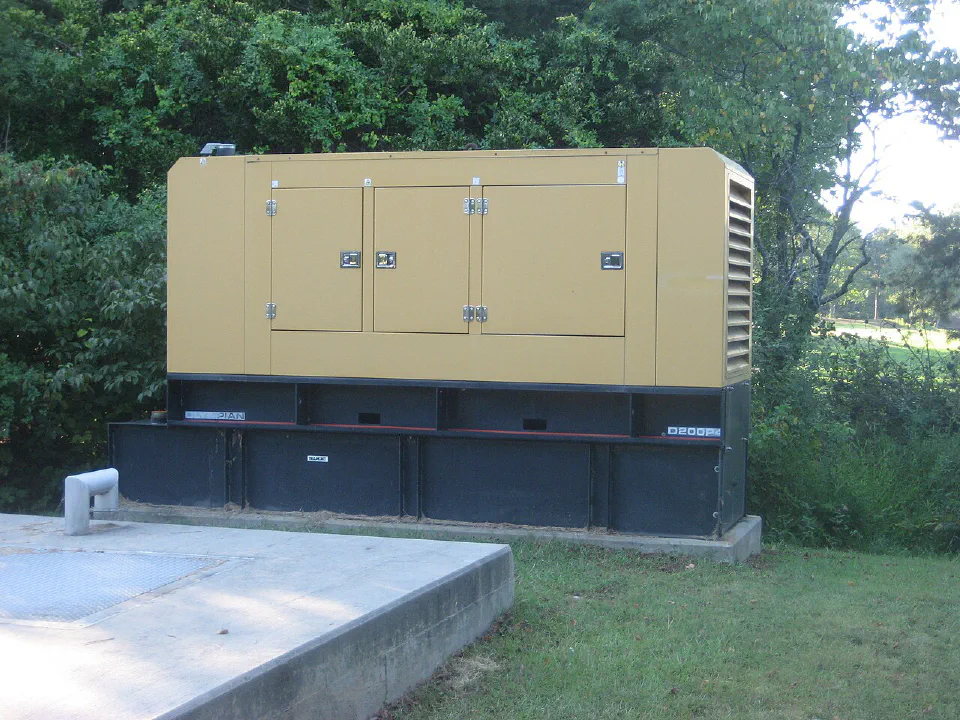
An enclosed diesel generator serving a sewer district near Atlanta. Its outdoor setting illustrates why enclosure, access and site conditions belong in the enquiry.
Photo: Gregsedits · CC BY-SA 3.0Convert kW and kVA using the power factor for the same load condition. Then attach the real load schedule to your enquiry.
Understand the calculationExplanations with sources, worked examples with assumptions, and clear limits. No product tests or engineering approvals are claimed.